 Percy Wagner
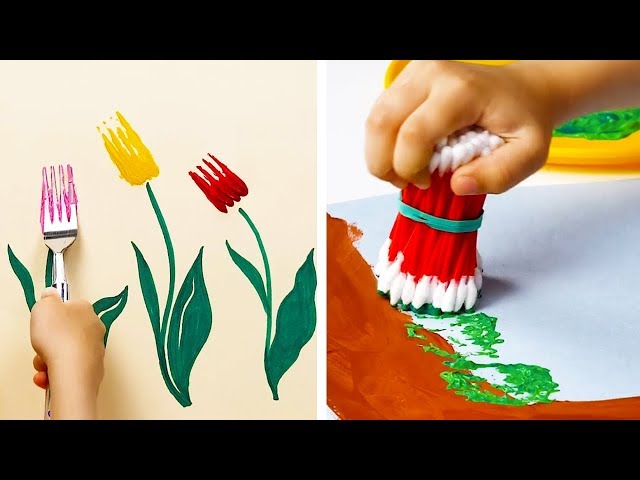
 Art and craft ideas for kids provide a fantastic avenue for creative expression and skill development. These activities offer numerous benefits, fostering fine motor skills, problem-solving abilities, and self-esteem. Engaging children in creative endeavors sparks their imagination and provides a valuable outlet for self-expression. Furthermore, the process encourages patience, focus, and a sense of accomplishment. Ultimately, providing diverse and engaging art and craft opportunities enriches a child’s overall development.
The importance of providing children with access to engaging art and craft activities cannot be overstated. These activities offer a unique blend of learning and play, allowing children to explore their creativity in a fun and stimulating environment. Through hands-on projects, children develop crucial fine motor skills, hand-eye coordination, and problem-solving abilities. The sense of accomplishment derived from completing a project boosts self-esteem and encourages further exploration. Moreover, art and craft activities serve as a valuable tool for self-expression, allowing children to communicate their thoughts and feelings in a tangible way.
The following sections detail several fun and educational art and craft projects suitable for children of various ages and skill levels.
Simple and Fun Art and Craft Ideas for Kids
This section presents a range of engaging art and craft projects that are easy to implement and require minimal materials. Each project is designed to be enjoyable and educational, fostering creativity and skill development in young children. These activities are suitable for various age groups, with adjustments possible to accommodate different skill levels. The emphasis is on simple instructions and readily available materials to maximize accessibility and enjoyment. Expect to spend between 15 minutes to an hour on each project, depending on the child’s age and focus.
Homemade Playdough
Estimated time: 20 minutes
- Combine 1 cup of flour, cup of salt, 2 tablespoons of oil, and 1 cup of water in a saucepan.
- Cook over medium heat, stirring constantly, until the mixture forms a ball.
- Remove from heat and let cool slightly.
- Knead the dough until smooth.
- Add food coloring if desired.
- Let children shape and play with the dough.
Paper Plate Animals
Estimated time: 30 minutes
- Gather paper plates, crayons, markers, glue, and construction paper.
- Let children draw animal faces on the paper plates.
- Cut out shapes from construction paper to create animal bodies.
- Glue the bodies to the plates.
- Add details like ears, tails, and spots.
Nature Collages
Estimated time: 45 minutes
- Collect leaves, twigs, flowers, and other natural items on a nature walk.
- Gather construction paper, glue, and scissors.
- Let children arrange the natural items on the paper to create a collage.
- Glue the items in place.
- Add details with crayons or markers if desired.
Engaging in these creative activities allows children to express themselves freely and develop important life skills. The process of creating something tangible fosters a sense of accomplishment and boosts self-esteem. Through these projects, children learn valuable lessons in patience, problem-solving, and attention to detail.
The benefits extend beyond the immediate activity. The skills learned, such as fine motor control and problem-solving, translate into other areas of a child’s development, enhancing their overall cognitive and emotional growth. The joy and satisfaction derived from creating something beautiful are invaluable.
Frequently Asked Questions about Art and Craft Ideas for Kids
This section addresses common questions regarding age-appropriate projects, material sourcing, and safety considerations for engaging children in creative activities.
What are some age-appropriate art and craft ideas for toddlers?
Toddlers thrive on simple, sensory-rich activities. Consider finger painting, playdough, or creating collages with large, easy-to-handle materials. Focus on the process rather than the final product. Ensure all materials are non-toxic and safe for mouthing. Adult supervision is crucial at this age.
Where can I find affordable materials for art and craft projects?
Many household items can be repurposed for crafting. Empty cardboard boxes, egg cartons, and toilet paper rolls become fantastic building materials or bases for creative projects. Discount stores and craft supply outlets often offer economical options.
Remember to prioritize safety and adapt the complexity of projects to the child’s age and abilities. Adult supervision is recommended, especially for younger children.
The process of creating is just as important, if not more so, than the final product. Encourage experimentation and self-expression. Remember that messiness is often a part of the creative process, so be prepared for it!
Tips for Successful Art and Craft Activities for Kids
This section provides practical advice on setting up a productive and enjoyable crafting environment for children.
Creating a positive and supportive atmosphere is key to fostering creativity.
Create a dedicated crafting space.
Designate an area specifically for art and craft projects, keeping supplies organized and easily accessible. This dedicated space helps children feel more comfortable and focused during their creative endeavors.
Gather age-appropriate supplies.
Select materials that are safe and easy for children to handle. Avoid small parts that pose a choking hazard, and always supervise younger children closely while they are using craft supplies.
Remember to focus on the process, not just the end result. Let children explore their creativity without pressure or judgment.
The joy and satisfaction derived from creating are invaluable, contributing significantly to a child’s overall development.
Key Aspects of Art and Craft for Children
Considering “art and craft ideas for kids” as a noun phrase, we can examine its key components: creativity, skill development, self-expression, and learning. These elements interact to form a holistic experience that benefits children across multiple developmental domains.
Creativity
The core of any art or craft activity lies in fostering creativity. It’s about encouraging children to think outside the box, experiment with different materials and techniques, and express themselves freely without judgment. This helps develop their imagination and problem-solving abilities.
Skill Development
Art and craft activities help build fine motor skills, hand-eye coordination, and dexterity. The meticulous tasks involved in many projects improve children’s control and precision. These skills are transferrable to other areas of their life.
Self-Expression
Art offers a non-verbal way for children to communicate their thoughts and feelings. It provides an outlet for emotions that might be difficult to articulate through words, fostering emotional intelligence.
Learning
Art and crafts are not just about fun and games; they also involve learning. Children learn about colors, shapes, textures, and patterns. They develop problem-solving skills as they figure out how to achieve their creative goals.
The combination of these aspects demonstrates the profound impact of art and craft activities on a child’s development.
Providing children with opportunities for creative expression fosters their cognitive, emotional, and social development. The benefits extend far beyond the immediate activity, influencing their overall well-being and future success.
Engaging in art and craft activities offers children a unique blend of learning and play, helping them develop important skills while expressing their creativity.
Art and craft ideas for kids are essential for holistic child development, offering a rich tapestry of benefits for their cognitive, emotional, and social growth. The activities encourage creativity, enhance fine motor skills, and provide a valuable outlet for self-expression.
Youtube Video: