 Percy Wagner
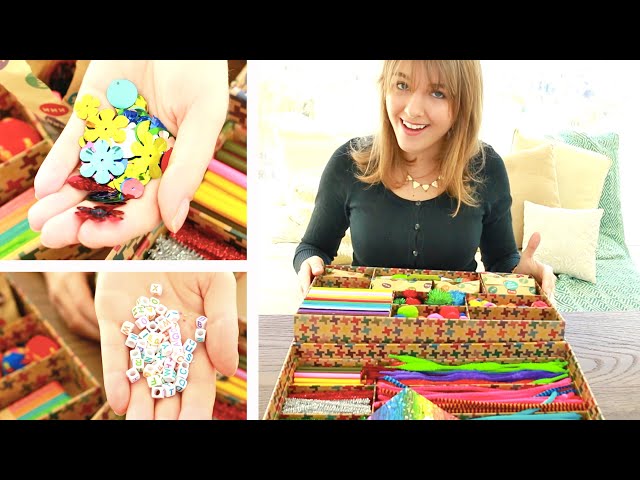
 Craft kits for kids provide a fantastic avenue for fostering creativity, fine motor skills, and problem-solving abilities. These engaging kits offer a structured approach to crafting, allowing children to explore various artistic mediums and techniques while enjoying the satisfaction of creating something tangible. The diverse range of projects available caters to different age groups and interests, ensuring there’s something for every young crafter. From simple projects to more complex undertakings, craft kits for kids offer a valuable learning experience that extends beyond the purely artistic, promoting self-expression and a sense of accomplishment.
The accessibility of craft kits for kids is a key advantage. They often include all the necessary materials, eliminating the need for parents to source individual supplies. This simplifies the crafting process, making it easier for children to participate independently or with minimal adult supervision. The pre-packaged nature also minimizes waste and ensures children have everything they need to complete the project successfully. This convenience makes craft kits an ideal choice for busy families or individuals looking for a low-stress, rewarding activity for children. Furthermore, the curated nature of these kits frequently introduces children to new materials and techniques that they might not otherwise encounter.
The following sections detail several examples of craft projects achievable with readily available craft kits for kids, along with step-by-step instructions.
Fun Craft Projects Using Craft Kits for Kids
Craft kits for kids offer a wide variety of engaging projects, designed to entertain and educate young minds. These kits typically include all necessary materials, simplifying the process and allowing children to focus on the creative aspects. The projects below provide a glimpse into the possibilities, showcasing the diversity and educational value these kits offer. These projects range in complexity and estimated time needed for completion.
Tie-Dye Kit
Estimated time: 45-60 minutes. This vibrant project teaches children about color mixing and pattern creation. The kit typically provides pre-treated fabric, dye, and rubber bands.
- Prepare the work area with newspaper or plastic sheeting to protect surfaces.
- Fold the fabric according to the desired pattern (e.g., spiral, stripes).
- Secure the folds with rubber bands.
- Apply the dyes according to the kit’s instructions.
- Allow the fabric to set and then rinse thoroughly.
Beaded Jewelry Kit
Estimated time: 30-45 minutes. This project enhances fine motor skills and creativity while producing a wearable piece of art. The kit usually includes beads, string, and clasp.
- String beads onto the string, following a chosen pattern or design.
- Secure the ends of the string with a knot.
- Attach the clasp, following the kit’s instructions.
- Experiment with different bead colors and patterns.
- Admire the completed necklace or bracelet!
Soap Making Kit
Estimated time: 1-2 hours. This kit introduces the scientific process of soap making in a safe and engaging way for children. It usually includes soap base, fragrances, and molds.
- Melt the soap base according to the instructions.
- Add fragrances and colors (if included).
- Pour the melted soap into the molds.
- Allow the soap to cool and harden.
- Unmold and enjoy the homemade soap!
Pottery Kit
Estimated time: 1-2 hours (plus drying and baking time). This kit provides an opportunity to explore the art of pottery. Usually it provides clay, tools, and glazing materials.
- Shape and mold the clay according to your design.
- Allow the clay to dry completely.
- Apply glaze (if included) according to the kit’s instructions.
- Bake the pottery in the oven, if required by the kit.
- Enjoy your unique creation!
Origami Kit
Estimated time: 15-30 minutes per model. This kit develops spatial reasoning and following instructions. The kit usually includes colorful paper and instructions for various origami models.
- Select an origami model from the instructions.
- Carefully follow the folding steps, one by one.
- Use precision and patience for optimal results.
- Repeat with different designs and colors.
- Display your beautiful origami creations.
The inherent value of craft kits for kids lies in their ability to blend learning and entertainment seamlessly. They nurture essential skills such as fine motor control, problem-solving, and creative expression. The sense of accomplishment children derive from completing a project fosters confidence and boosts self-esteem.
Moreover, these kits provide opportunities for family bonding and shared experiences. Parents can participate alongside their children, sharing in the creative process and strengthening their relationship. Craft kits offer a screen-free activity that encourages imaginative play and reduces reliance on electronic devices.
Frequently Asked Questions About Craft Kits for Kids
Selecting the right craft kit for a child often involves considering factors like age appropriateness, skill level, and the child’s interests. Parents and caregivers frequently have questions regarding these aspects and more.
What age ranges are craft kits suitable for?
Craft kits are designed for a broad age range, with kits specifically tailored for toddlers, preschoolers, elementary school children, and even older kids and teens. Always check the age recommendations on the packaging to ensure the kit’s complexity aligns with the child’s abilities and developmental stage. Some kits cater to a wider range of ages based on the project’s adaptable nature.
Are craft kits safe for young children?
Reputable manufacturers prioritize safety, ensuring materials are non-toxic and age-appropriate. Always supervise young children during crafting activities, particularly those involving small parts or potentially messy materials. Read the kit’s instructions carefully and follow safety precautions to minimize risks.
What if a child makes a mistake while crafting?
Mistakes are part of the learning process. Encourage children to view errors as opportunities to learn and experiment. Some crafts may allow for corrections, while others might become unique in their imperfection. The emphasis should be on enjoying the process and the outcome, not on producing a flawless result.
How can I choose the right craft kit for my child?
Consider your child’s interests and skill level when selecting a craft kit. Does your child enjoy painting, building, or creating jewelry? Look for kits that align with their preferences. Start with simpler projects for younger children and progress to more complex kits as their skills develop.
Craft kits for kids represent an invaluable resource for parents and educators seeking engaging and educational activities. They offer a blend of creativity, skill development, and fun, fostering a love for crafting that can last a lifetime.
The convenience and readily available nature of these kits make them an excellent choice for busy families, while the educational value helps children cultivate essential skills. Selecting age-appropriate kits ensures a positive and rewarding crafting experience.
Tips for Using Craft Kits for Kids
Maximizing the benefits of craft kits involves careful planning and a positive approach. Providing the right environment and guidance enhances the learning experience and ensures a successful outcome. Following are key tips to enhance the crafting experience for both children and adults involved.
Creating a dedicated craft space can minimize distractions and encourage focused attention. Having all necessary supplies readily available further streamlines the process, allowing children to dive straight into the creative aspects of the project.
Prepare the Workspace
Designate a specific area for crafting, minimizing clutter and potential hazards. Cover surfaces with newspaper or a plastic drop cloth to protect from spills and messes. Ensure adequate lighting for visibility and comfort during the project.
Read the Instructions Together
Before beginning, review the kit’s instructions carefully with the child. This fosters a collaborative approach, allows for clarification of any steps, and ensures everyone understands the process. This step encourages reading comprehension and collaborative problem-solving.
Encourage Experimentation
While following instructions is important, allow for some creative freedom and experimentation. Encourage children to explore different techniques or add their unique touch to the project. This fosters self-expression and builds confidence in their creative abilities.
Embrace the Mess
Crafting can be a messy activity. Instead of focusing on preventing all mess, embrace it as part of the creative process. Use aprons, drop cloths, and easy-to-clean surfaces to minimize the impact of inevitable spills or splatters. This promotes a more relaxed and enjoyable crafting atmosphere.
Celebrate the Finished Product
Once the project is complete, take time to celebrate the accomplishment. Display the finished product prominently to showcase the child’s creativity. This reinforces a sense of pride and accomplishment, motivating future creative endeavors.
The versatility and engaging nature of craft kits for kids make them an invaluable tool for fostering creativity and skill development. By providing a structured yet flexible approach to crafting, these kits offer a rewarding experience for both the child and the adults involved in the process.
The educational benefits extend beyond the development of artistic abilities. Craft kits nurture problem-solving skills, fine motor control, and a sense of accomplishment that builds confidence and self-esteem. The convenience of pre-packaged kits simplifies the process, making crafting accessible for families of all backgrounds.
Key Aspects of Craft Kits for Kids
Analyzing craft kits for kids from a noun perspective reveals several key facets. These components are essential to understand the full value proposition and impact of these engaging kits. Each facet has implications for children’s development and family engagement.
Materials
The quality and variety of materials directly influence the crafting experience. High-quality materials enhance the results, encouraging children to create more engaging projects. The use of safe, non-toxic materials is paramount to ensure safety, especially for younger children.
Projects
The diversity and complexity of available projects greatly impact the engagement and learning potential of the kits. A wide range of projects allows children to explore different interests and skill levels, catering to individual needs and preferences. A good kit will offer something for everyone.
Instructions
Clear and age-appropriate instructions are fundamental for a successful crafting experience. Easy-to-follow instructions ensure children can understand the steps involved, fostering independence and reducing frustration. Well-written instructions allow children to focus on the creative aspects.
Price
Cost plays a significant role in accessibility. Kits offering good value for money ensure the experience is within reach for many families. The pricing should reflect the quality of materials and complexity of the projects.
Creativity
Craft kits act as a springboard for unleashing a child’s imagination and creativity. The potential for self-expression and personalized crafting experiences is a critical component of the overall educational value. The ability to adapt the project to a child’s imagination is key.
Understanding these key aspects provides a comprehensive understanding of craft kits for kids. The multifaceted nature of these educational tools enables children to explore their creativity, develop important skills, and enjoy the satisfaction of creating something unique and tangible.
The benefits of using craft kits extend beyond simple entertainment, fostering creativity, problem-solving abilities, and fine motor skills in young children. These kits provide a valuable educational tool, enhancing cognitive development and nurturing a lifelong love of creative expression.
In conclusion, craft kits for kids offer a multifaceted approach to engaging children in creative activities, with significant educational and developmental benefits. The careful selection of an appropriate kit, combined with mindful guidance, can contribute to a positive and rewarding crafting experience for children of all ages and skill levels.
Youtube Video: